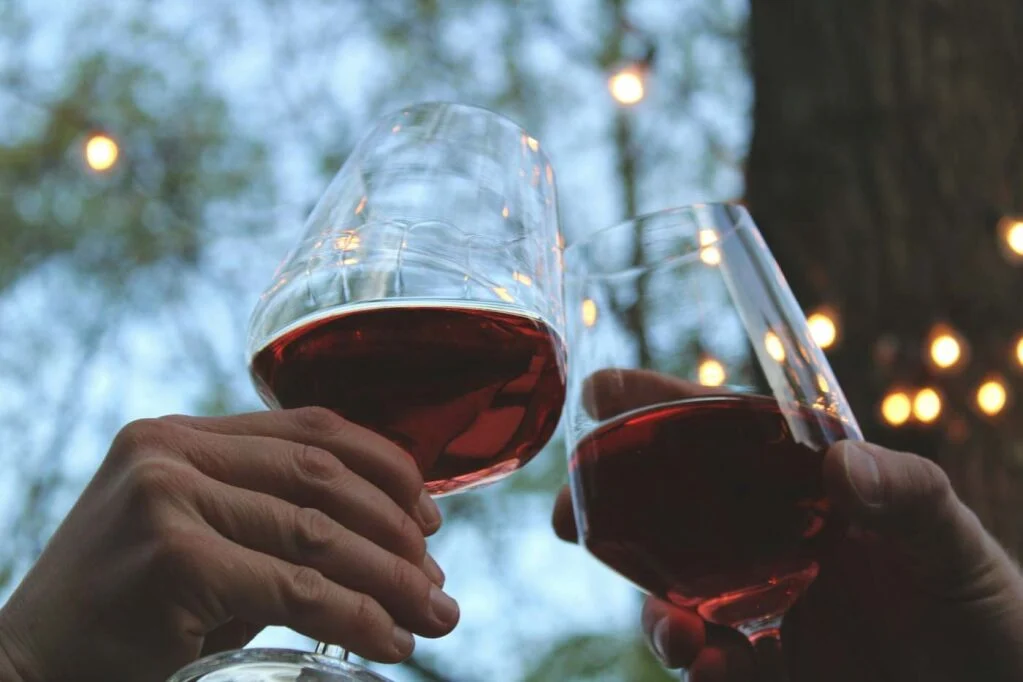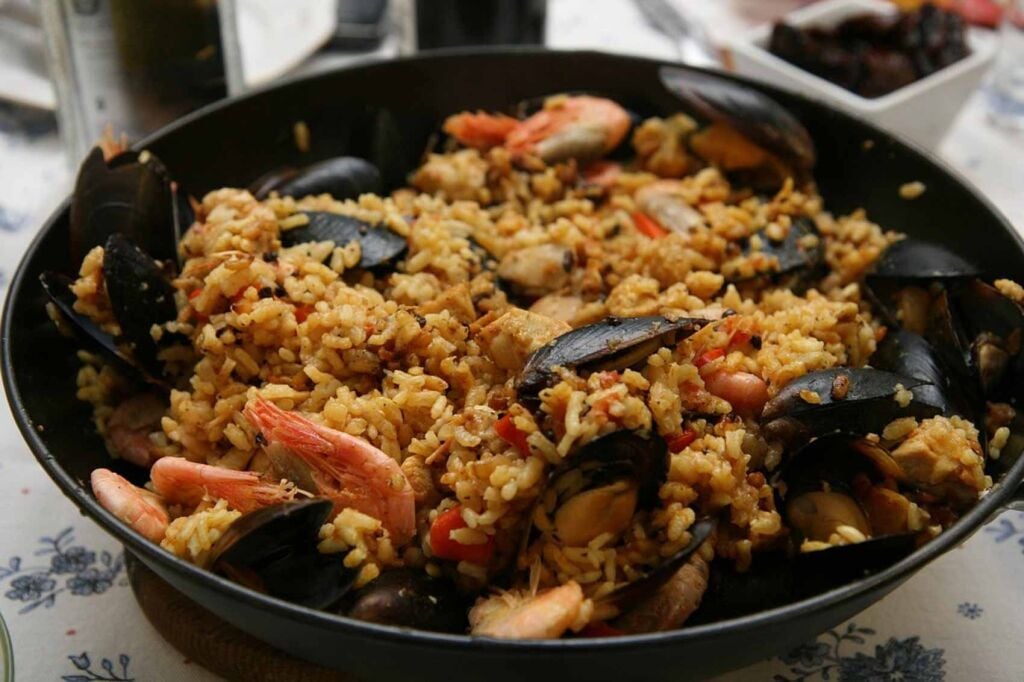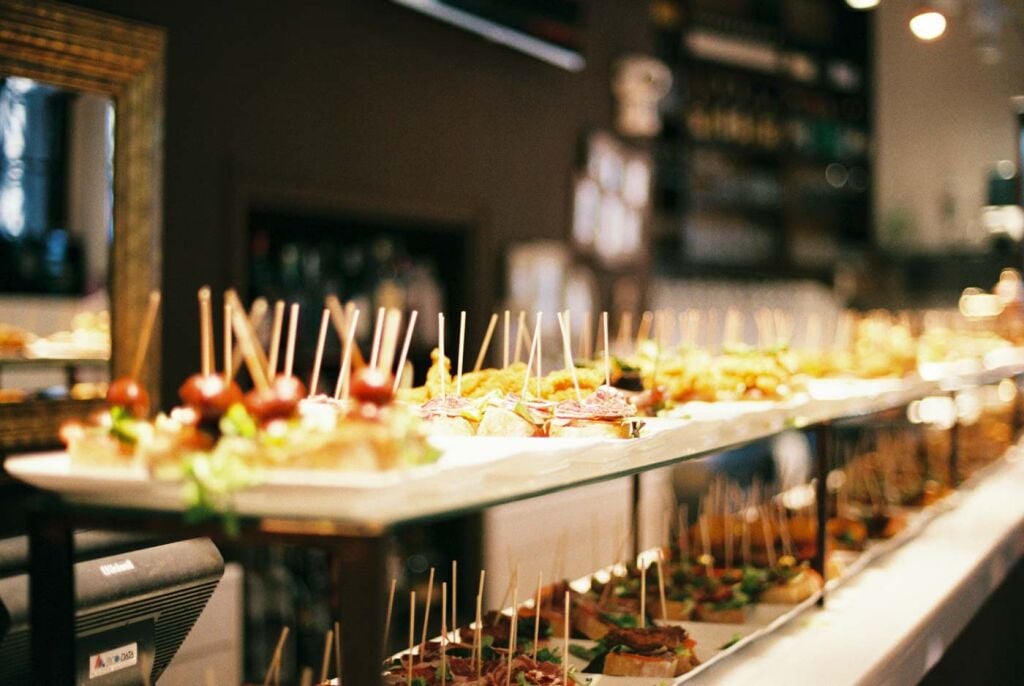

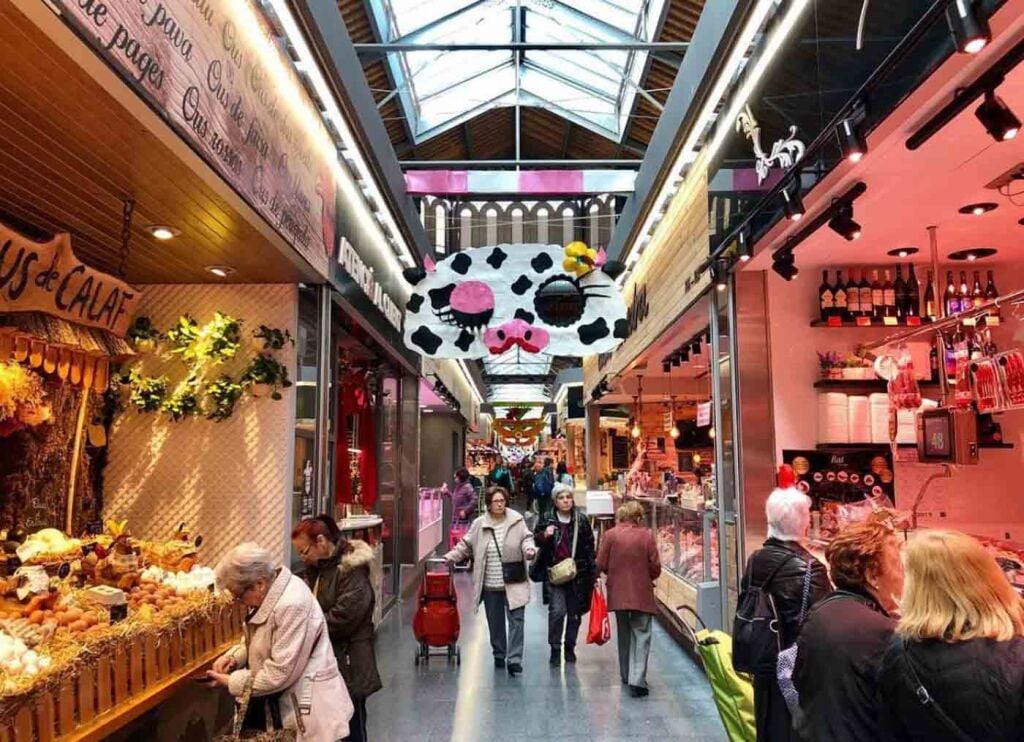
Barcelona has a vibrant street food scene that offers a delicious mix of traditional Catalan dishes, Spanish classics, and international flavors. The city is filled with tapas bars, markets, and beloved establishments that serve as a perfect preview to all the wonderful things you’ll taste on a Barcelona food tour.
Why Barcelona is a Top Destination for Street Food
It’s more than just tapas culture that’s made Barcelona a top street food destination. It’s also the way the vendors, cafés, and restaurants blend the rich traditions of Catalan cuisine with modern food culture.
The city’s famous food markets, like La Boqueria and Mercat de Sant Antoni, offer an authentic taste of classic Spanish and Catalan flavors. Meanwhile, the city’s rich tapas culture encourages sharing through the sampling of small dishes.
From freshly grilled seafood to artisanal sandwiches and sweet churros, Barcelona’s street food is both diverse and affordable. Making it a favorite for locals and tourists alike.
Places to Find Street Food in Barcelona
You’ll feel spoiled for choice sampling street food from Barcelona’s markets, tapas bars, and culinary hot spots.
Mercat de Sant Josep de la Boqueria (La Boqueria Market)
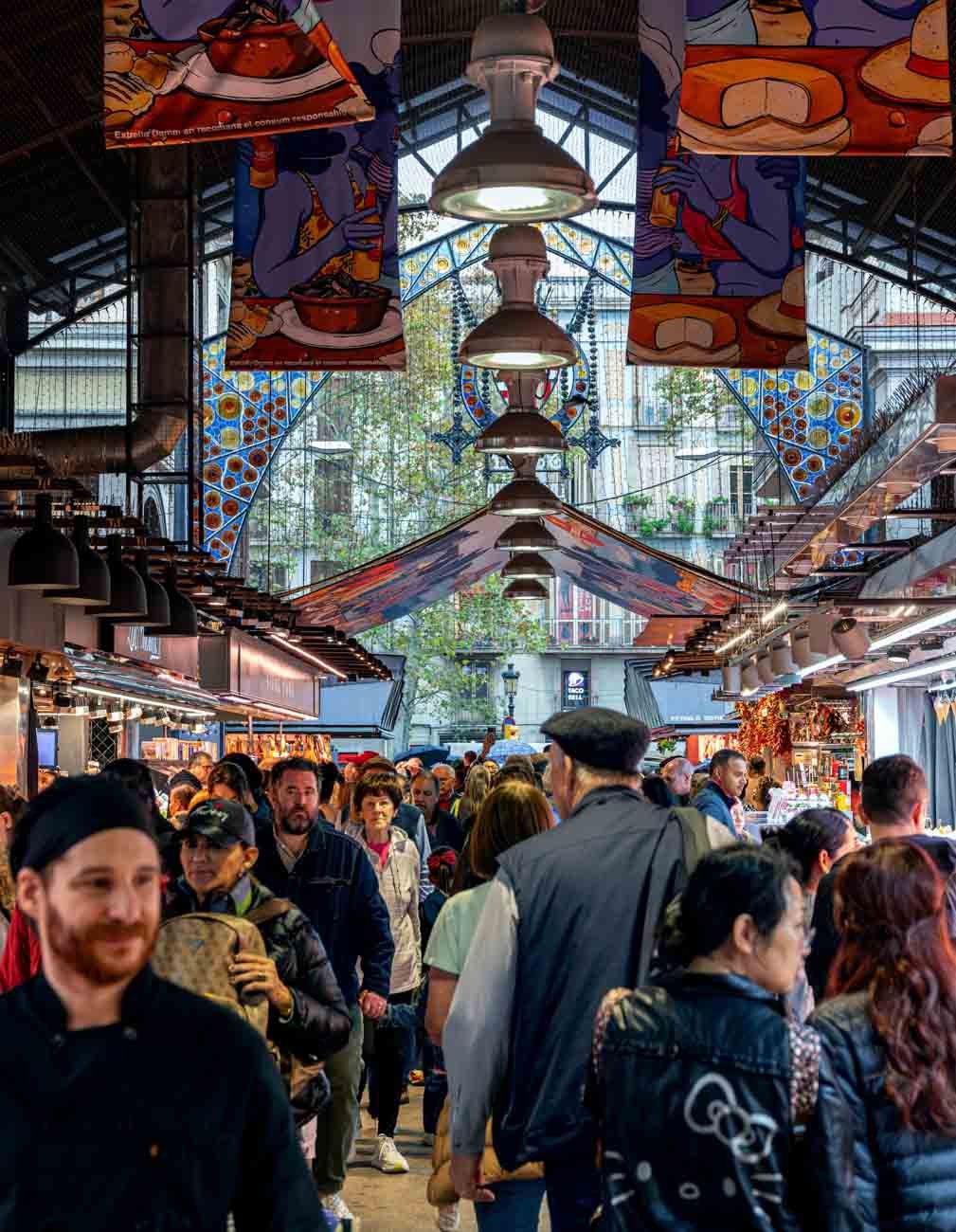
Photo credit: Mercat de Sant Josep de la Boqueria (La Boqueria Market)
La Boqueria is Barcelona’s most famous market and a must-visit for street food lovers. Located just off La Rambla, it’s known for its fresh seafood, Iberian ham, fruit juices, and tapas bars serving local specialties.
I think the must-try stalls here start with El Quim de la Boqueria for fried eggs with baby squid and Bar Pinotxo for classic Catalan tapas. I like to visit early in the morning to avoid heavy tourist crowds.
Mercat de la Boqueria (€€) – La Rambla, 91, Ciutat Vella, 08001 Barcelona, Spain.
Mercat de Sant Antoni
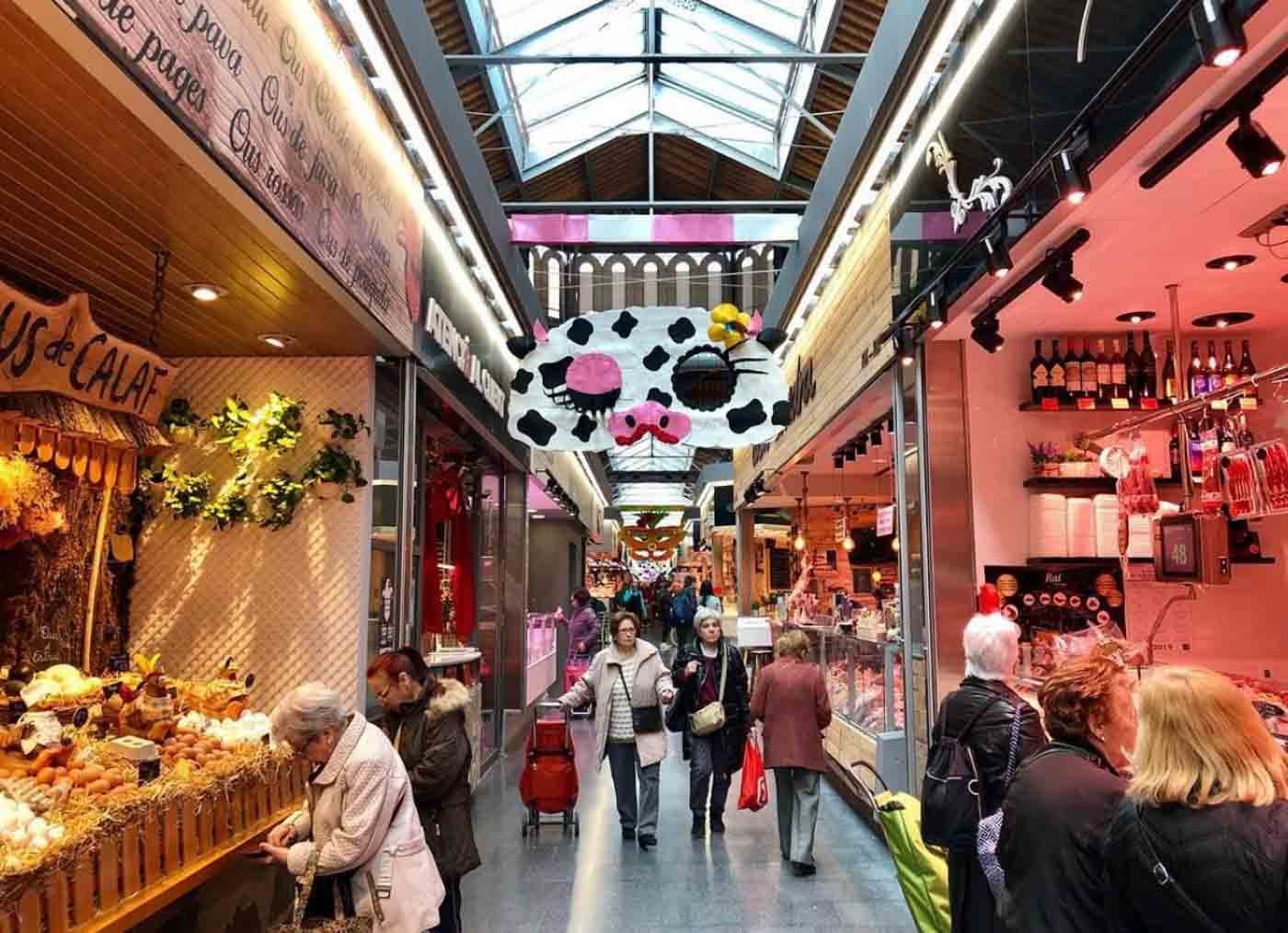
Photo credit: Mercat de Sant Antoni
Recently renovated, Mercat de Sant Antoni offers a more local, less touristy street food experience. It’s known for fresh produce, seafood, and takeaway bocadillos (Spanish sandwiches).
I think the top gems at Mercat de Sant Antoni are the ones selling grilled meats. They’re easy to find. All you have to do is follow your nose to the aroma you crave the most. This market is also a good place to pick up fresh olives when they’re in season. One of their secret gems to look for in the morning is xuixos, which are Catalan cream-filled doughnuts. Weekday mornings or late afternoons are better for a quieter visit.
Mercat de Sant Antoni (€€) – Carrer del Comte d’Urgell, 1, L’Eixample, 08011 Barcelona, Spain.
Mercat de la Concepció
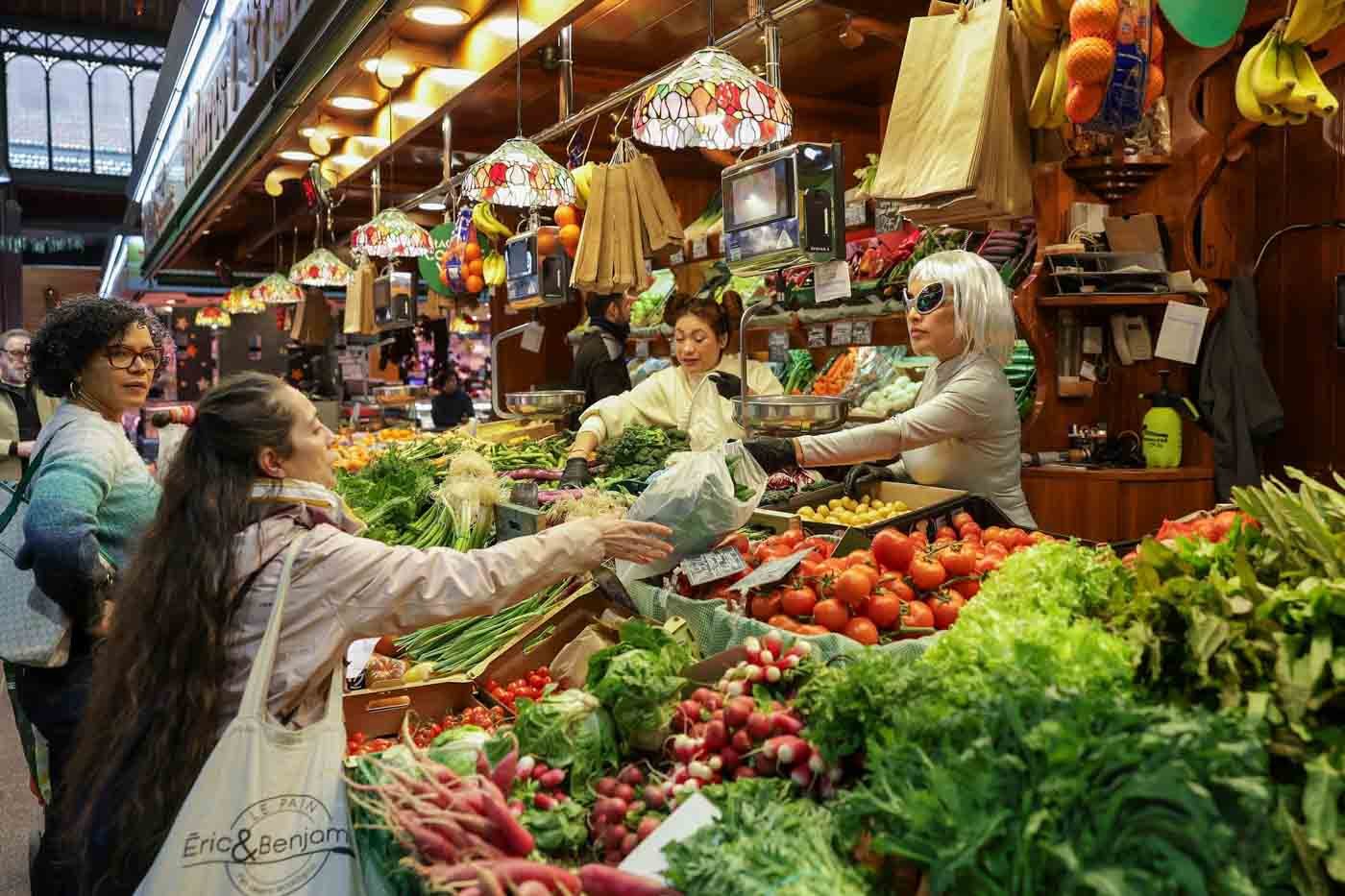
Photo credit: Mercat de la Concepció
Known to the locals as the “Flower Market” for its colorful floral stalls, Mercat de la Concepció is also a hidden gem for Barcelona street food. It’s known for cured meats, artisan cheeses, and ready-to-eat tapas like anchovies and olives.
I love the sandwich and seafood stands at Mercat de la Concepció. When I’m on a walking tour of the area, I love to grab a ham bocadillo for a quick bite. I think it’s better to visit mid-morning for a greater selection of seafood and to take in the market with the locals without the lines that come with the usual tourist crowds.
Mercat de la Concepció (€€) – 311 bis, Carrer d’Aragó, Eixample, 08009 Barcelona, Spain.
Mercat del Ninot
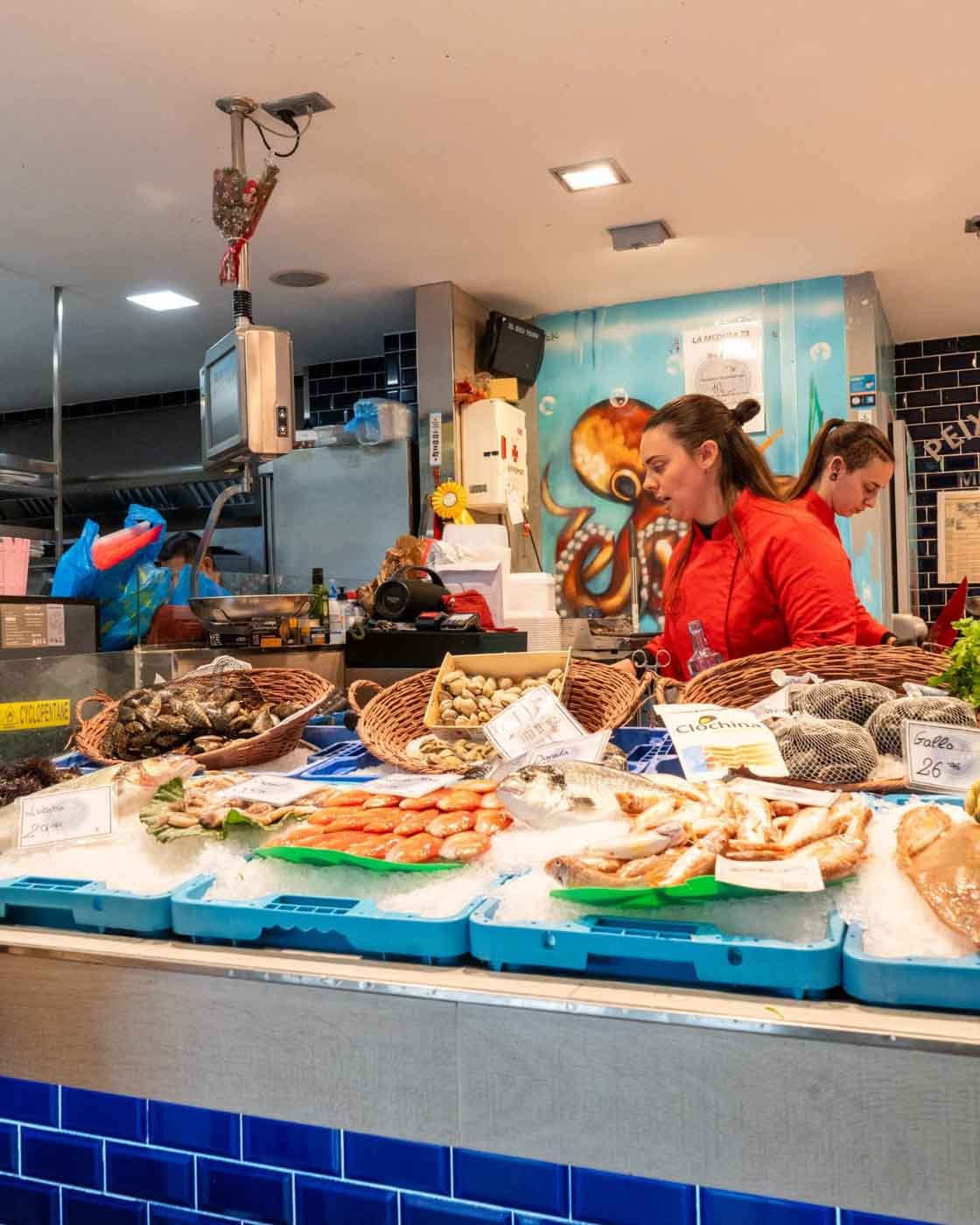
Photo credit: Mercat del Ninot
Mercat del Ninot offers a modern food hall experience combined with traditional market stalls. It’s famous for fresh seafood, gourmet tapas, and Iberian ham.
I think the secret gem here is Cuina Niña, which offers a delicious assortment of small plates and tapas. Depending on the local catch, you can also grab a seafood cone from one of the fishmongers.
Weekdays around lunchtime are lively but not overwhelming. Yet, I think it’s better to avoid peak hours between 1 to 2 pm for a more relaxed visit.
Mercat del Ninot (€€€) – Carrer de Mallorca, 133, L’Eixample, 08036 Barcelona, Spain.
La Cova Fumada
Tucked away in Barceloneta, La Cova Fumada is a tiny, family-run tapas bar whose claim to fame is inventing the “Bomba.” It’s a spicy meat and potato croquette served with aioli and robust brava sauce.
However, I think the secret gem here is their fresh grilled seafood, sardines and calamari. They’re sourced fresh that day straight from the nearby port, with the kind of stunning freshness you normally expect in a fine-dining seafood restaurant.
It’s better to arrive early, before 1 pm, as there’s limited seating and they don’t take reservations.
La Cova Fumada (€€) – Carrer del Baluard, 56, Ciutat Vella, 08003 Barcelona, Spain.
El Xampanyet
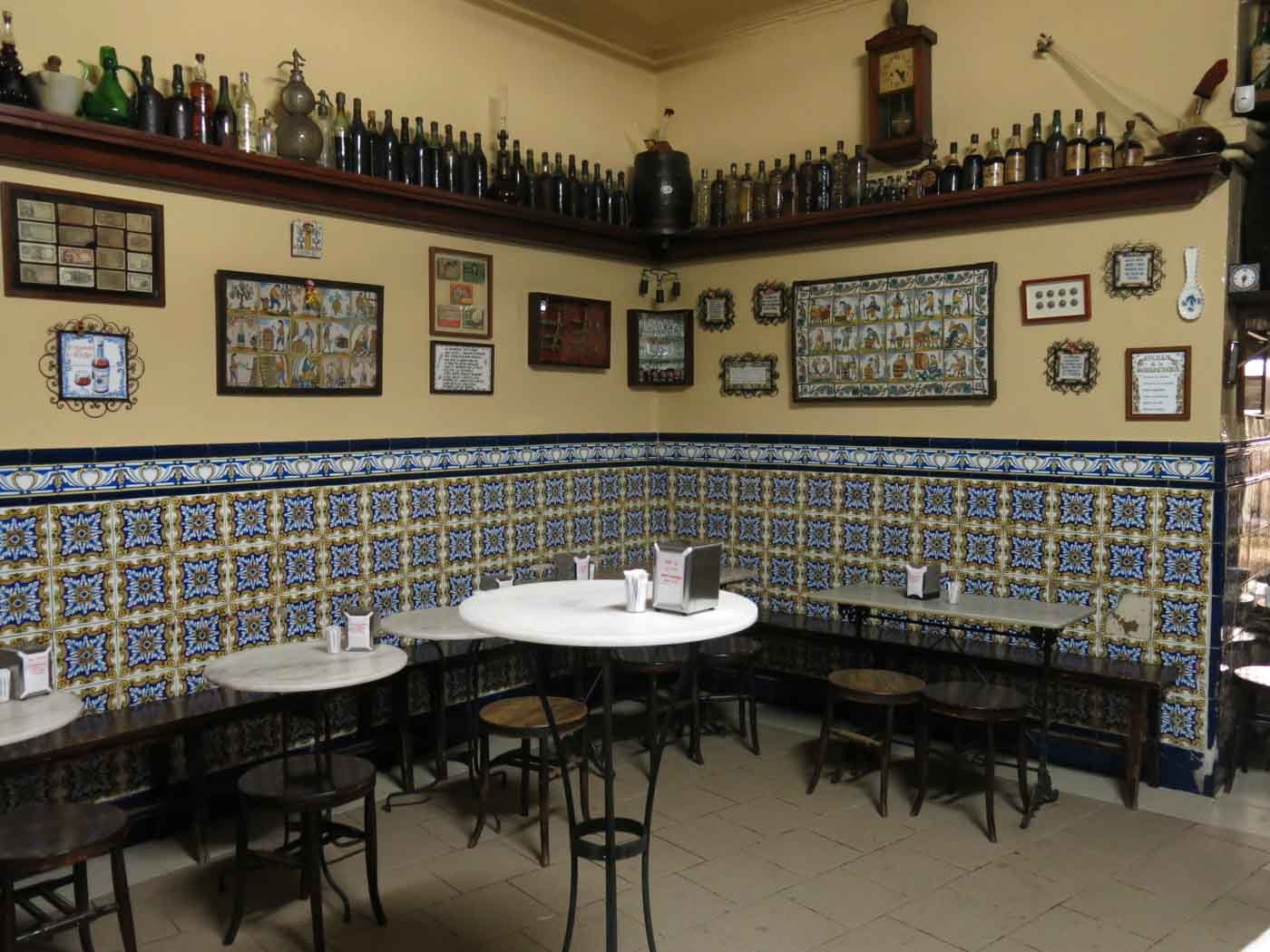
Photo credit: Wikimedia Commons licensed under Attribution-ShareAlike 4.0 International
Located near the Picasso Museum, El Xampanyet has an energetic, bustling atmosphere that goes along with their house-made cava sparkling wine and classic tapas. Signature street-style dishes include anchovies and Iberian ham.
I deeply appreciate their cheese plates, which show off the finest regional cheeses. They’re perfect for sharing and go along with many of the other street food tapas on their menu. It gets very busy in the evenings — for a more relaxed visit, stop by just after they open around 6 pm.
El Xampanyet (€€) – Carrer de Montcada, 22, Ciutat Vella, 08003 Barcelona, Spain.
Our Guides’ Favorite Market Bites
We believe that the true pulse of the city is found in the bustling corridors of La Boqueria and Santa Caterina. These curated stalls offer a representative look at the quick snacks that locals enjoy during their daily errands. We invite you to sample the fresh, simple flavors that define our street culture. Book a food tour with us to learn more.
Bombas
Bombas are deep-fried potato balls stuffed with spiced meat and topped with aioli and brava sauce. Created in Barceloneta during the Spanish Civil War, they were designed to resemble small grenades. I think the original and tastiest version is served up at La Cova Fumada
Bocadillos (Spanish Sandwiches)
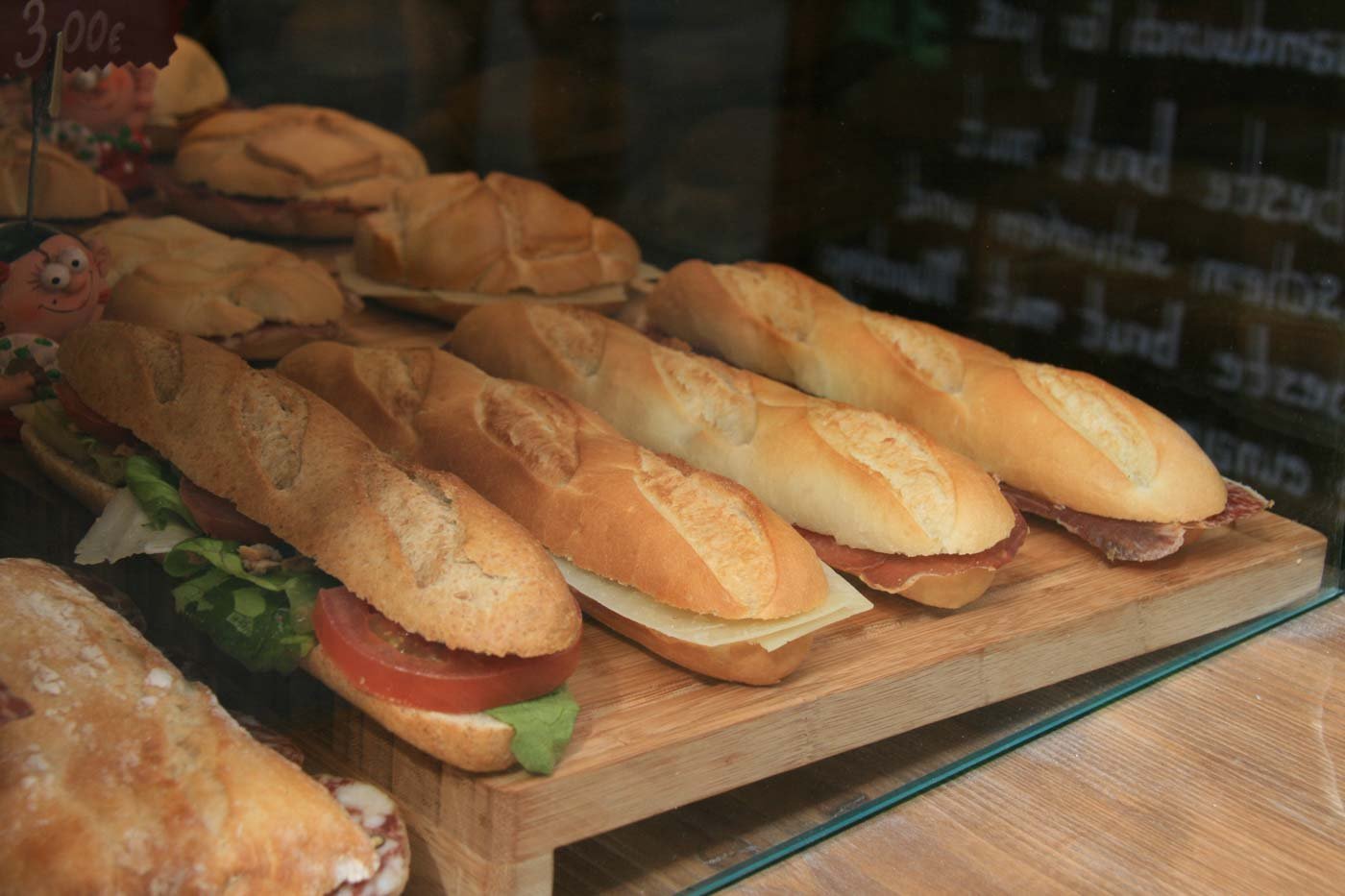
Photo credit: Wikimedia Commons licensed under Attribution-ShareAlike 3.0 Unported
Bocadillos are crusty baguette-style sandwiches filled with local ingredients like jamón Ibérico, chorizo, or tortilla Spanish omelet. They’re a staple of Spanish street food that I think is done great at Can Paixano.
Patatas Bravas
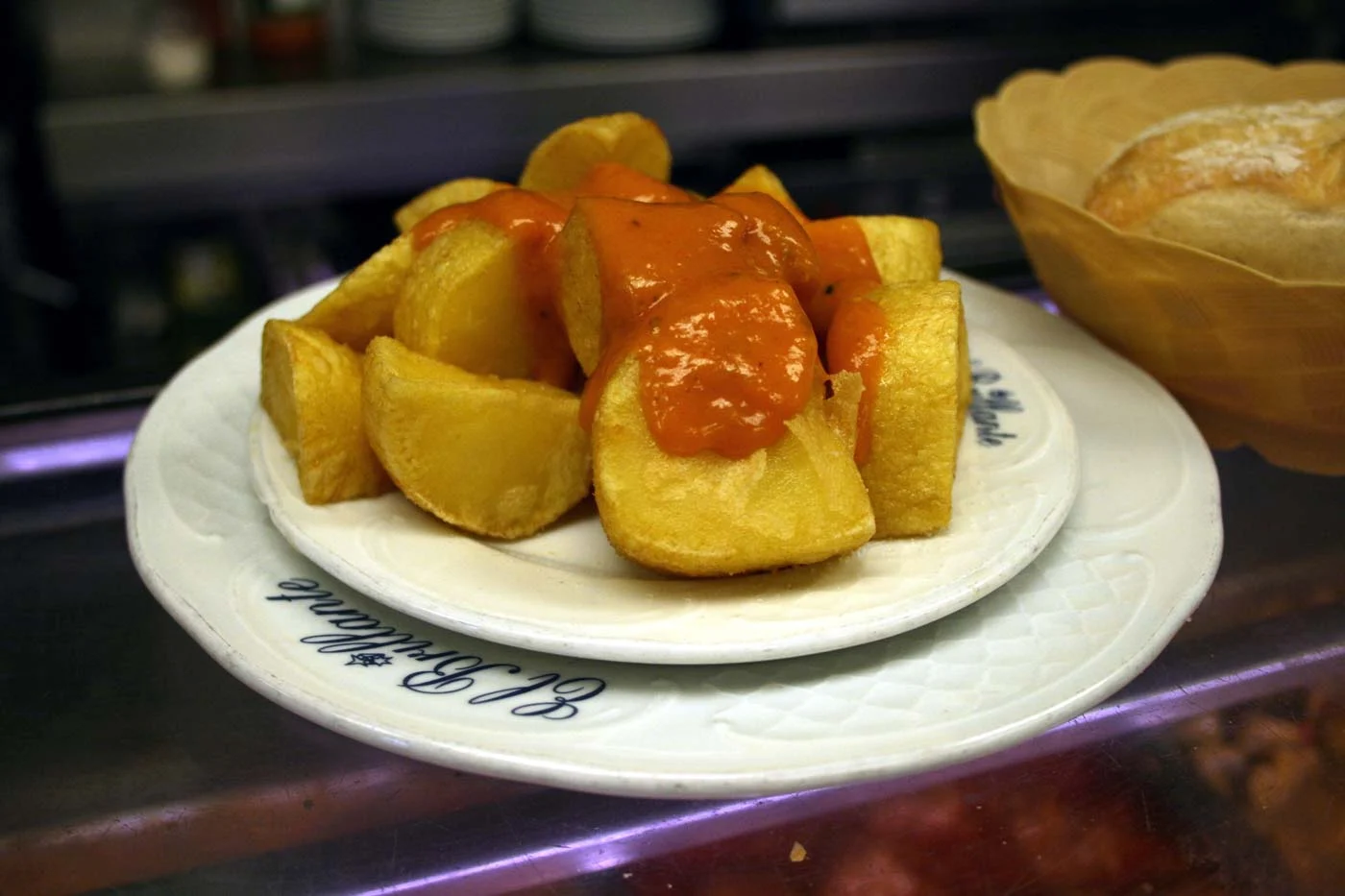
Photo credit: Wikimedia Commons licensed under Attribution 3.0 Unported
Patatas bravas are crispy fried potatoes served with a spicy tomato-based sauce and garlic aioli. I think Bar Tomas in the Sarrià neighborhood has some of the finest bravas in the city.
Churros con Chocolate
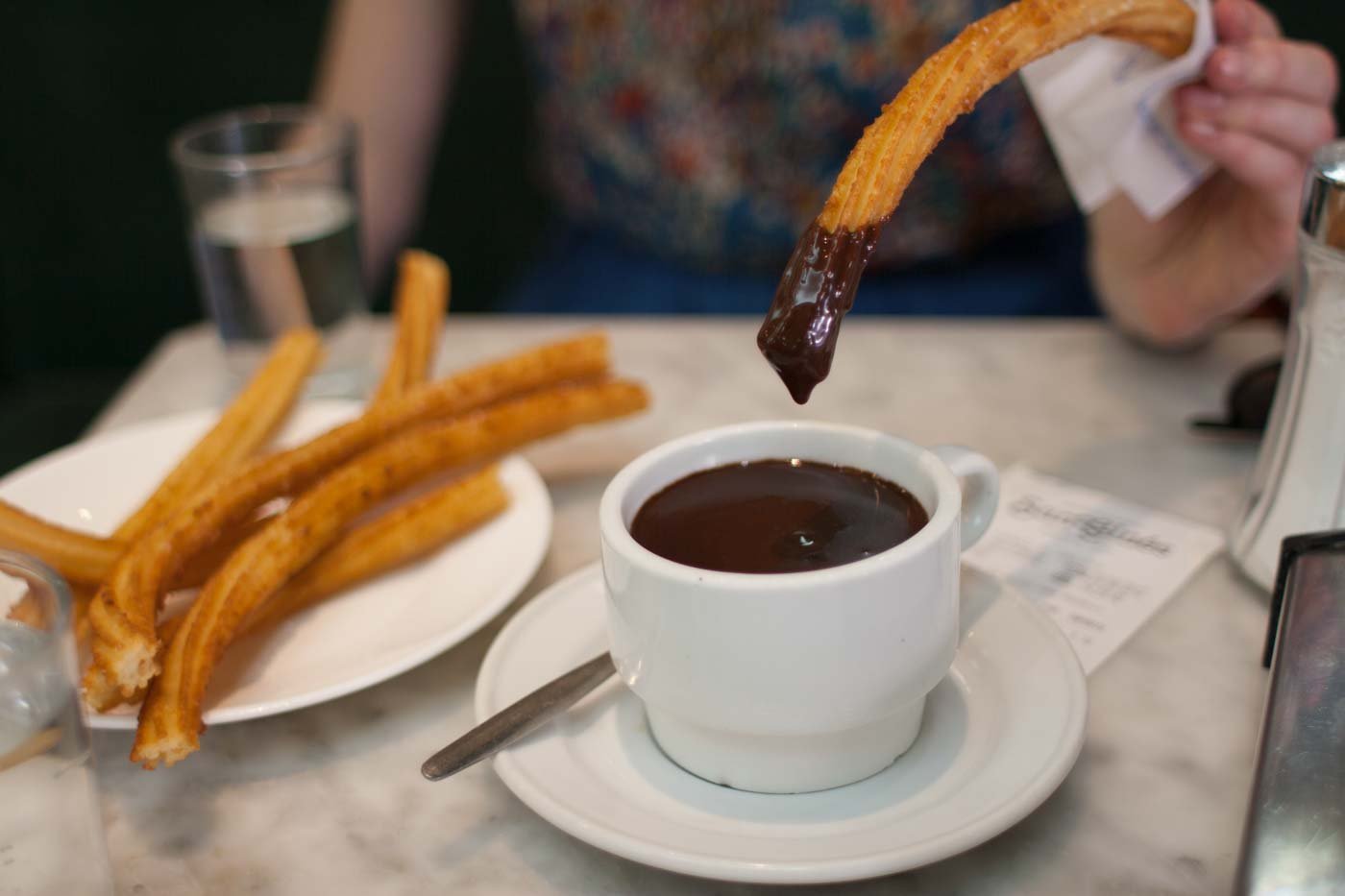
Photo credit: Wikimedia Commons licensed under Attribution 2.0 Generic
Churros are fried dough pastries dusted with sugar, often served with thick hot chocolate for dipping. Granja Dulcinea near La Rambla is one of the most famous spots for authentic churros con chocolate.
Jamón Ibérico
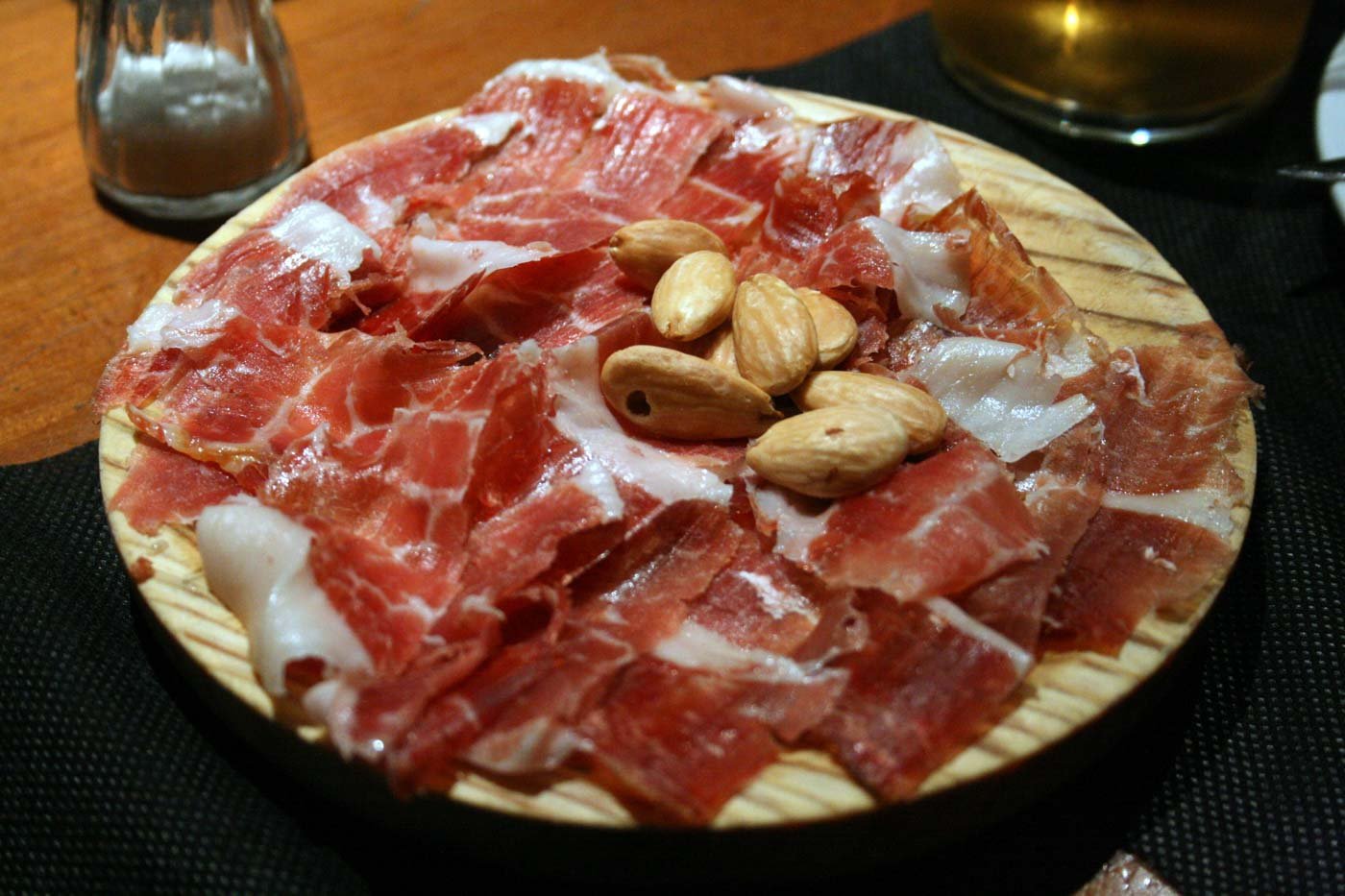
Photo credit: Wikimedia Commons licensed under Attribution-ShareAlike 2.0 Generic
Jamón Ibérico is a dry-cured ham made from acorn-fed pigs, celebrated for its melt-in-your-mouth texture and deep flavor. It’s a must-try for any foodie visiting Barcelona. For a cool street-style experience, I love to visit any one of the Enrique Tomás locations around the city.
The Origin of the Bomba in Barcelona
The “Bomba” is a potato and meat croquette that originated in the working-class neighborhood of Barceloneta. We find it fascinating that its name and shape were inspired by the hand grenades used during the Spanish Civil War. Historically, this spicy snack was served to the sailors and dockworkers who needed a quick, high-energy meal. Understanding its revolutionary roots adds a layer of grit and history to every spicy bite.
Barcelona’s Market Snack Etiquette
When visiting the municipal markets, we suggest arriving before noon to experience the vendors at their most active. We recommend looking for the “especialitats” signs, which indicate a stall’s particular expertise in one specific type of product. It is customary to enjoy your snack standing at a small counter or while leaning against a stone wall in a quiet plaza. Always be prepared to pay in cash at smaller stalls, though many now accept digital payments.
Tips for Enjoying Street Food in Barcelona
Late morning is a great time to explore Barcelona’s street food scene. This is when the markets are bustling but not yet overcrowded. Popular food markets like La Boqueria or Sant Antoni are busiest around midday, so arriving early ensures fresher options and shorter lines.
When ordering it sometimes helps to use the native tongue. A friendly “Hola, qué me recomienda?” (Hello, what do you recommend?) in Spanish or “Bon dia, què em recomana?” in Catalan, shows respect for local culture.
Street food in Barcelona is generally safe, but stick to busy vendors for the freshest ingredients. In the afternoon, local bars offering tapas deals or grab a bocadillo from a neighborhood bakery is a great way to add an authentic taste of Catalan cuisine to your food trip to Barcelona.
Sources:
Eating Europe. (n.d.). Barcelona food tours. https://gesundheitbesser.today/barcelona/%3C/span%3E%3C/a%3E%3C/p%3E
Mercat de la Boqueria. (n.d.). La Boqueria market. https://www.boqueria.barcelona/
Mercat de Sant Antoni. (n.d.). Mercat de Sant Antoni. https://www.mercatdesantantoni.com/
Mercat de la Concepció. (n.d.). Mercat de la Concepció. http://www.laconcepcio.cat/
La Cova Fumada. (n.d.). La Cova Fumada. https://lacovafumada.shop/
Mercat del Ninot. (n.d.). Mercat del Ninot. http://www.mercatdelninot.com/
El Xampanyet. (n.d.). El Xampanyet. http://elxampanyet.com/
Can Paixano. (n.d.). Can Paixano (La Xampanyeria). http://www.canpaixano.com/
El Tomás de Sarrià. (n.d.). El Tomás de Sarrià. http://www.eltomasdesarria.com/
Granja Dulcinea. (n.d.). Granja Dulcinea. http://granjadulcinea.com/
Enrique Tomás. (n.d.). Enrique Tomás. https://enriquetomas.com/en-eu/

- Daily
- 3.5 Hours
- Small Group